special offers
Furnace Energy Efficiency Tips
How to Maximize Furnace Efficiency
If you've recently had a furnace installed or have an older system, you may be wondering how to ensure it runs as efficiently as possible. An efficient furnace not only keeps your home comfortable during colder months, but it can also lower energy bills, extend the life of your equipment, and improve overall safety.
The good news is that there are several simple steps you can take to maximize furnace efficiency. From regular maintenance to proper sizing and smart thermostat use, these tips can help ensure your furnace performs at its best all season long.
Furnace Maintenance: Regular maintenance is crucial to energy efficiency. We recommend you get an annual furnace inspection by a qualified HVAC company like TLC. During the inspection, they will check a few things that will help keep any new or old furnace running in tip-top shape. Here are a few things that they will check during an inspection, and a few routine maintenance tasks you can do yourself.
Change Your Furnace Filters Regularly: Our HVAC professionals recommend changing your furnace filters every 1-3 months for best efficiency. Dirty filters reduce proper airflow, causing the furnace to work hard to maintain temperatures. A clogged, dirty filter can reduce energy efficiency by up to 15%.
Get Your Ductwork Checked: When getting your maintenance done, it is always good to have your ductwork checked. During the check, the tech will make sure all your ducts aren't leaking or imbalanced. You want your furnace to heat your house, not your attic or crawlspace.
Check for Cracks or an Improper Flame: Over time, components inside a gas furnace can wear out or become dirty. Cracks, gas leaks, or a bad burner flame can reduce efficiency and create safety concerns. If your furnace has a yellow or irregular flame, strange odors, or visible damage, it's important to have it inspected right away. Addressing these issues promptly helps improve efficiency, lower gas bills, and keep your home safe.
Make Sure Your Furnace Is the Right Size: An oversized furnace heats the home too quickly, causing it to cycle on and off frequently. This short cycling wastes energy, increases wear on components, and often leads to uneven heating because warm air does not have time to fully circulate throughout the house. It might be warm in one spot and cold in another, which nobody likes.
An undersized furnace, on the other hand, runs longer than necessary to try to reach the desired temperature. Since it's too small, it's hard for the furnace to keep up with the amount of heat that is escaping. This results in higher gas and electricity usage, which also puts extra strain on the system.
A professional load calculation ensures your furnace is correctly sized for your home's square footage, insulation, and layout.
Install a Programmable Digital Thermostat: Installing a programmable or smart thermostat allows you to control your heating schedule and reduce energy waste by automatically adjusting the temperature based on your daily routines. Which means set it and forget it, no need to fight over who touched the thermostat last.
Seal Up Your House: This one is pretty straightforward. If your house is letting out all the warm air, then your furnace has to work harder. We recommend checking the seals on all your doors and windows for drafts. Or if you have old single-pane windows, consider upgrading to new windows to keep the cold air from coming in.
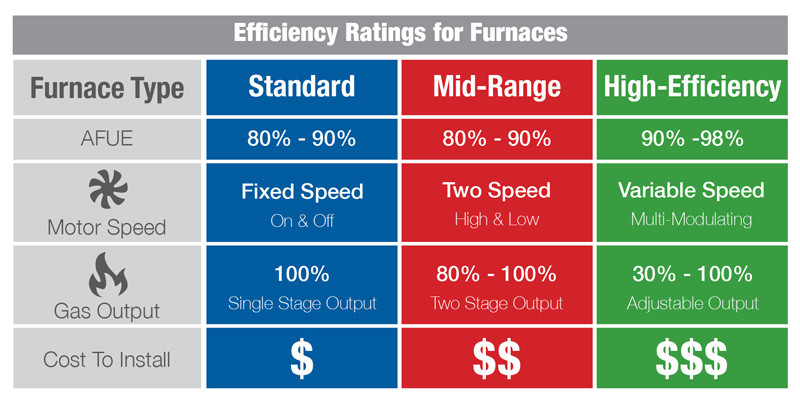
Install a High-Efficiency Furnace: When it's time to replace your furnace, consider an energy-efficient model that meets or exceeds ENERGY STAR certification standards. There are options now that include 2-speed and variable-speed motors that use less energy to operate, depending on the heating needs in the home.
If you have any questions about your furnace or energy efficiency you can ask our experts here. If you need to schedule a furnace inspection or furnace repair call (505) 761-9644 or schedule online anytime.
Understanding AFUE Rating:
Understanding AFUE Rating:
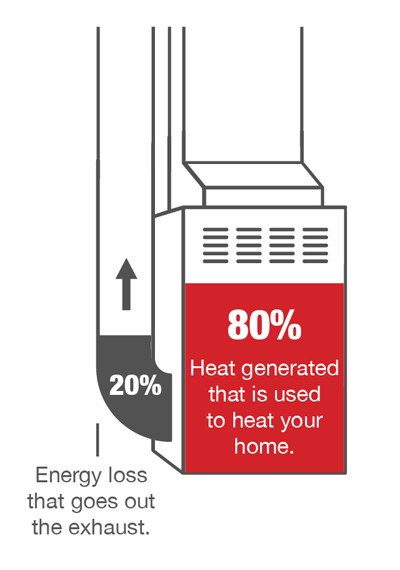
AFUE (Annual Fuel Utilization Efficiency) is a measure of a furnace's efficiency in converting fuel into heat. Higher AFUE indicates greater efficiency. In the United States, modern gas furnaces typically have AFUE ratings between 80% and 98%. Higher AFUE ratings may have higher installation costs, but can lead to significant long-term energy savings.
In Conclusion
Maximizing furnace efficiency doesn't just happen on its own. It takes proper maintenance, correct system sizing, and attention to airflow and controls. Whether your furnace is brand new or has been heating your home for years, following these tips can help improve comfort, reduce energy waste, and prevent costly repairs.
If you have questions about your furnace or want to improve your home's energy efficiency, our HVAC experts at TLC are here to help. To schedule a furnace inspection or furnace repair, call (505) 761-9644 or schedule your appointment online anytime.