special offers
PFAS & Home Water Treatment
What are PFAS, and what should I do for my home?
You’ve probably recently heard the term PFAS and wondered what it is and what it means for the water you use in your home. You are not alone. Many homeowners, like yourself, are starting to ask these same questions. Whether you’re here because you are just starting your research journey or looking for solutions, the good news is, we can help!
Call (505) 761-9644
What is PFAS?
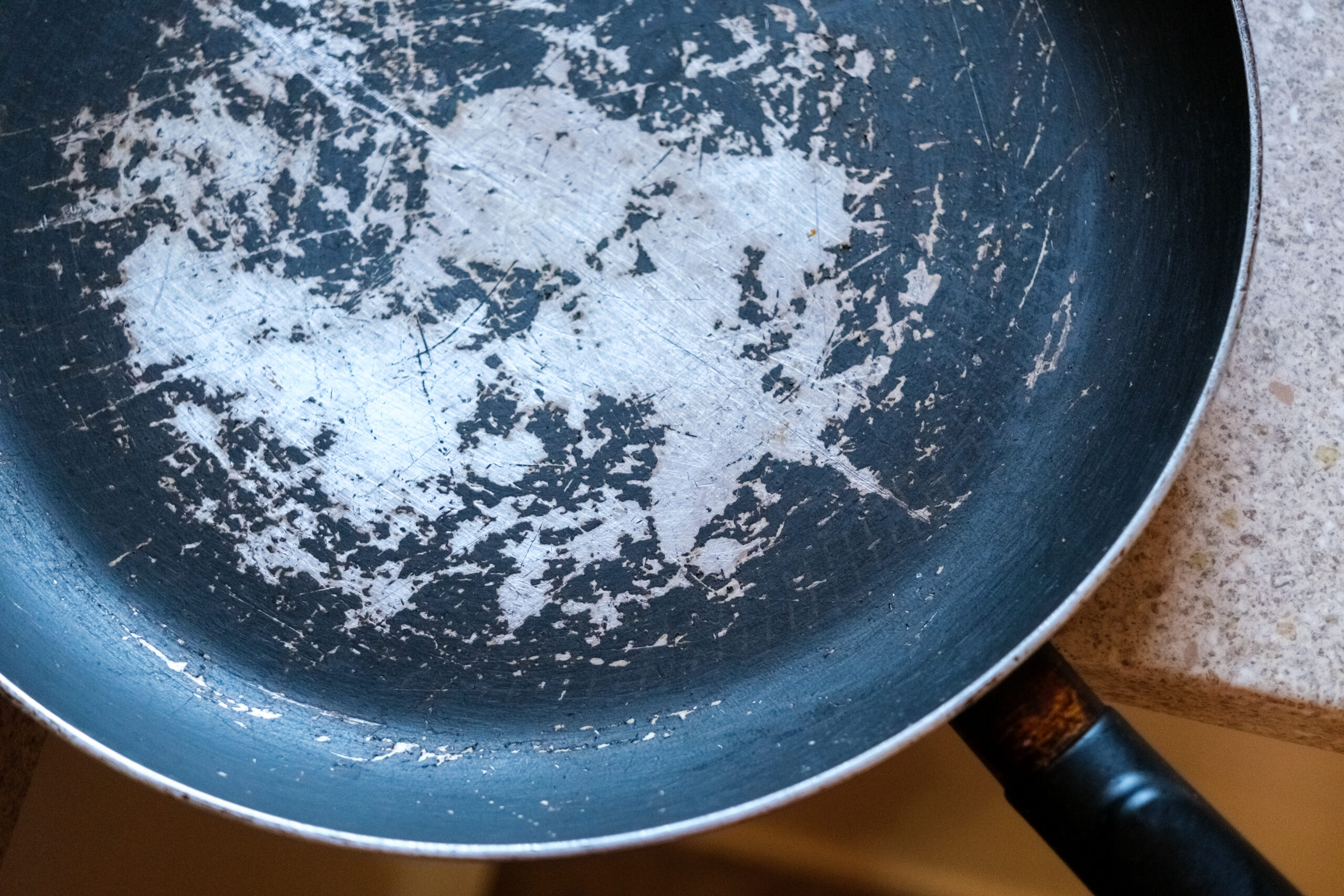
PFAS (short for per- and polyfluoroalkyl substances (yikes, that’s a tough one to say)) are chemicals that are man-made and have been used for decades in products that resist heat, grease, water, and stains. It can be found in items like non-stick cooking pans and water-repellent fabrics, as well as in some cleaning products and polishes. You’ve probably also heard the term ‘forever chemical.’ Because of how they are made, it’s really hard for PFAS to break down. That is why they sometimes show up in water supplies. But the good news is that it can be treated, reduced, or removed.
Where does PFAS come from?
There are a few ways that PFAS can enter a water supply, including:
- Manufacturing and industrial processes
- Firefighting foams that are used at airports or training facilities.
- Everyday household products, as we mentioned above
Over time, PFAS and other chemicals can make their way into the groundwater and municipal water supplies. This does not mean your water isn’t safe to drink or use. But homeowners can choose to take an extra step, like adding the right filters to their home.
Want to dive deeper? The EPA provides more information on PFAS and its health impacts here.
How can PFAS be removed from my water?
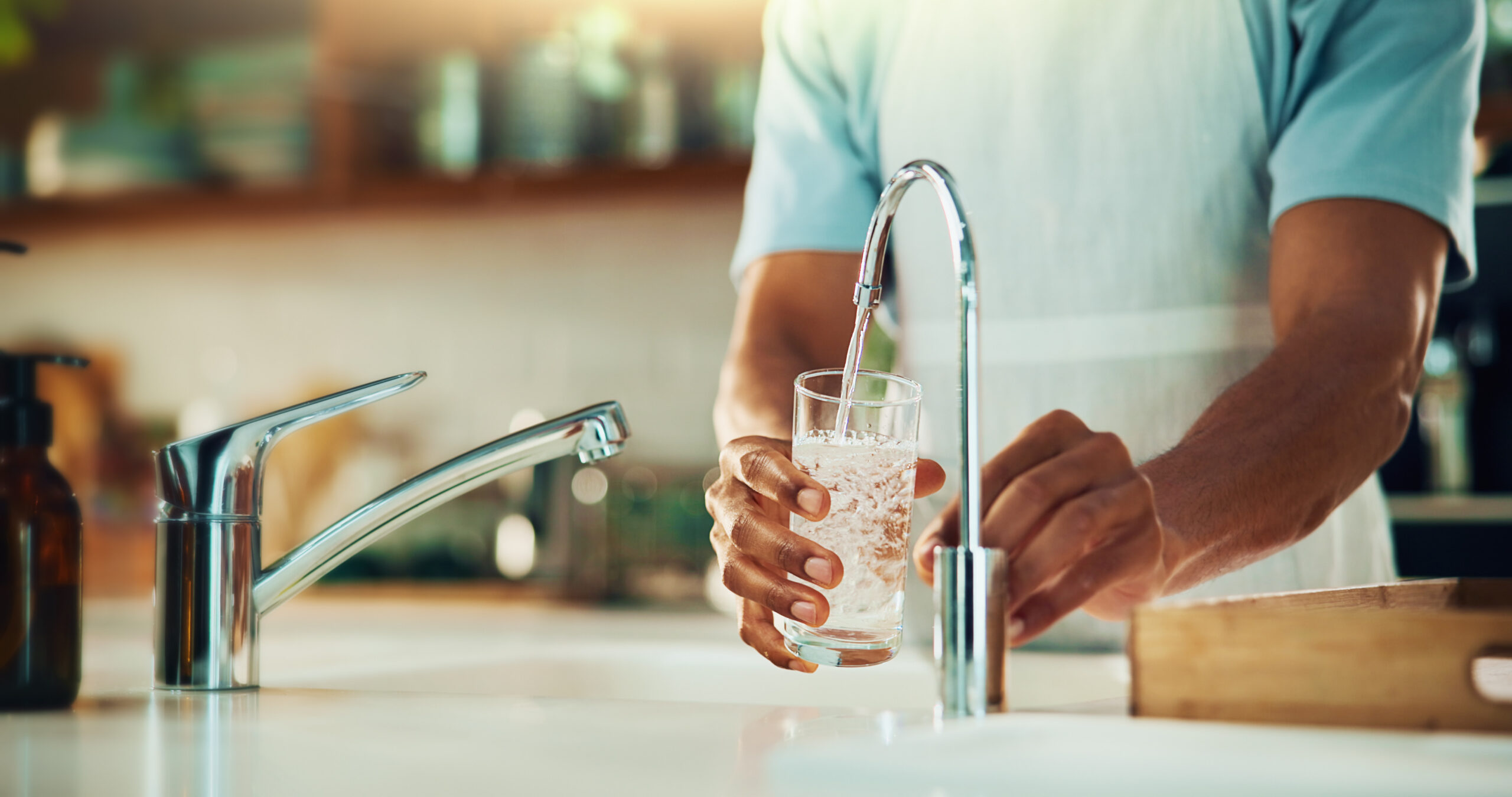
The best way to reduce PFAS in your home’s water is to install the right filter. There are a few options for this:
- Whole-home filtration systems
- Or with reverse osmosis filter systems that are installed at the kitchen sink.
The best option depends on you, your home, and how much water you use. Not every home needs the same level of filtration.
We’ll give you extra peace of mind, right from the tap.
Our experienced technicians will walk you through the options that are available to you and your home. In a way that you will understand and can feel confident about making the right decision.
If you have more questions about PFAS or are interested in improving the quality of water in your home, don’t sweat it; give us a call today.
Call (505) 761-9644
Important Note: TLC installs home water filtration solutions and does not conduct PFAS water testing. If you are a homeowner and would like your water tested for PFAS, click here to find a certified laboratory.